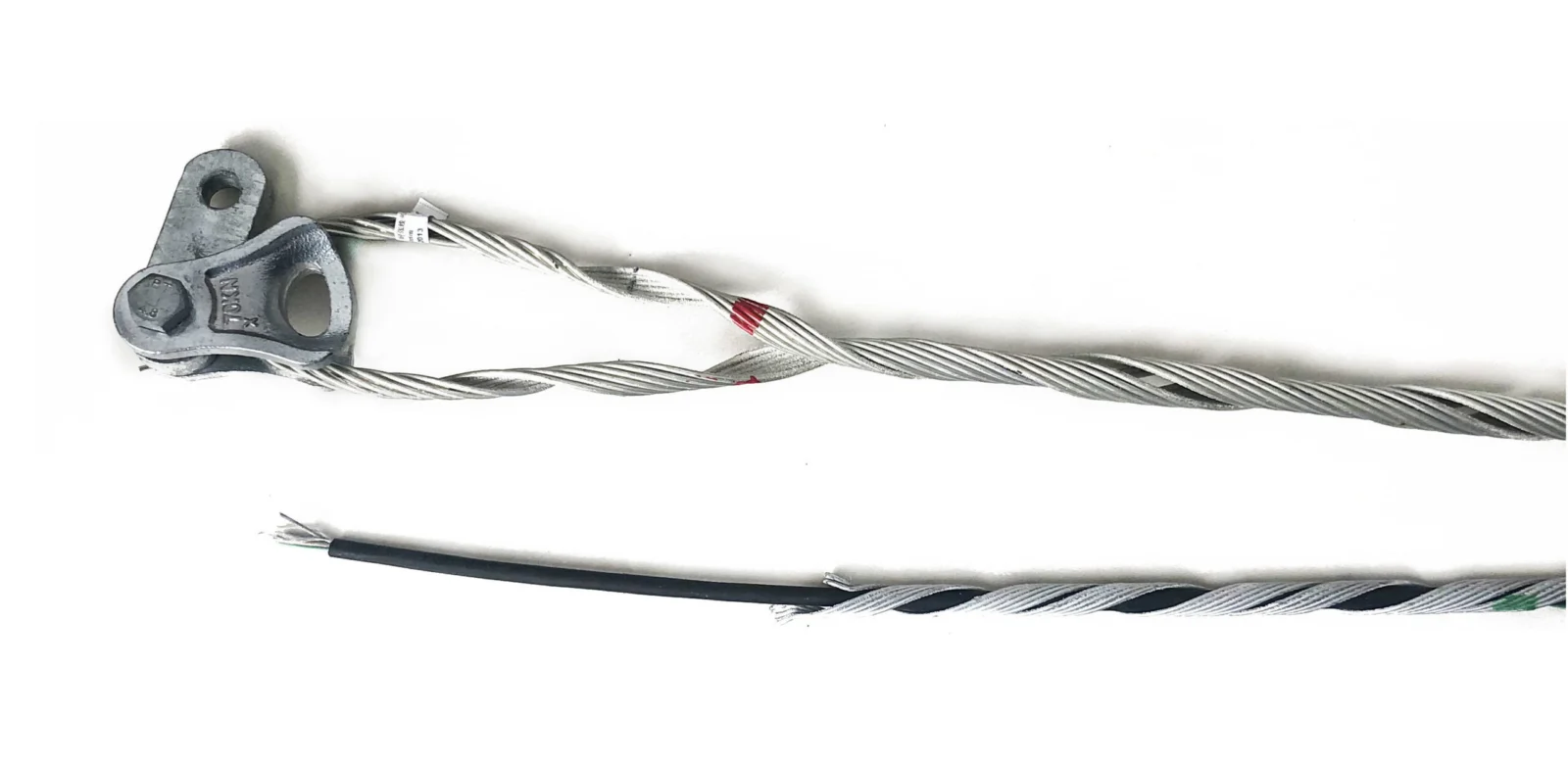

Making a 20 mm Long Rounded End on 9.27 mm Aluminum Alloy Wire
Not every preformed armor rod needs the same end shape.
When customers ask us about a round-end forming machine, the wire diameter is usually one of the first things we discuss. But the diameter alone is not enough. We also need to know what the finished end should look like.
Recently, we worked on a special round-end forming requirement using Ø9.27 mm aluminum alloy wire.
The original requirement was a 25 mm long rounded end. During the project discussion, this was changed to 20 mm.
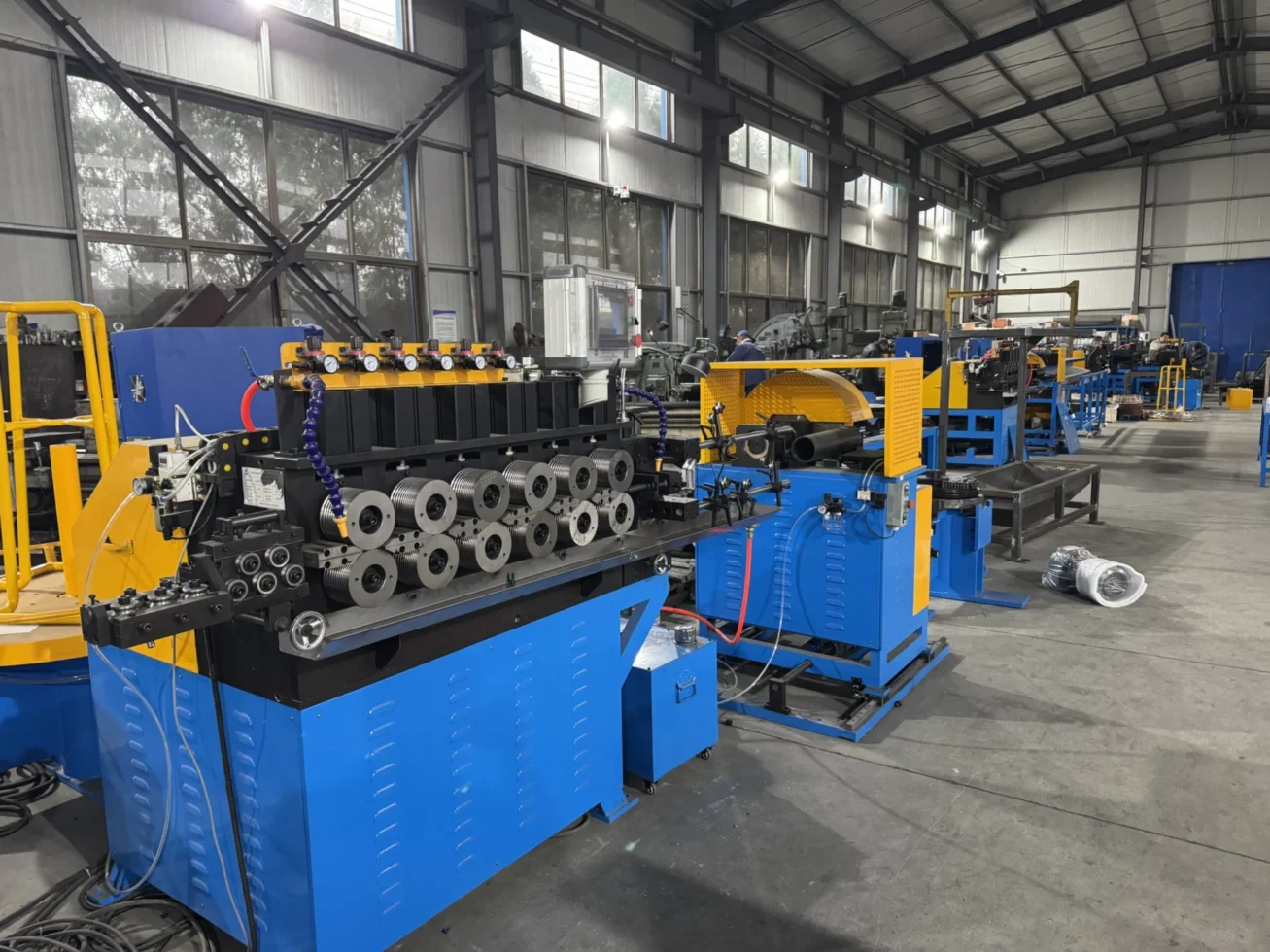
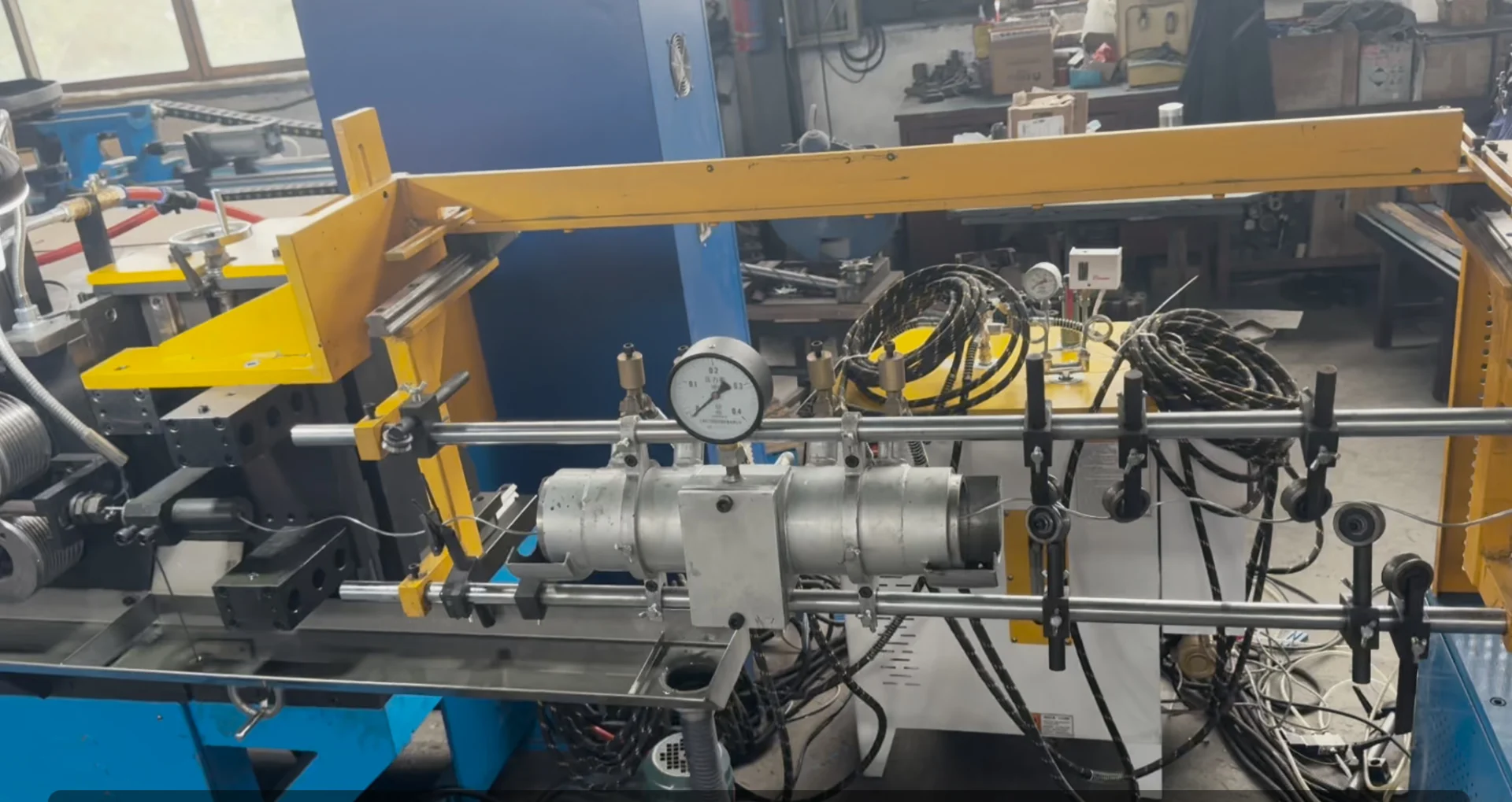
Below are some actual photos from our workshop showing the equipment, the processed wire ends, and the length measurement.
What Does the Finished Rounded End Look Like?
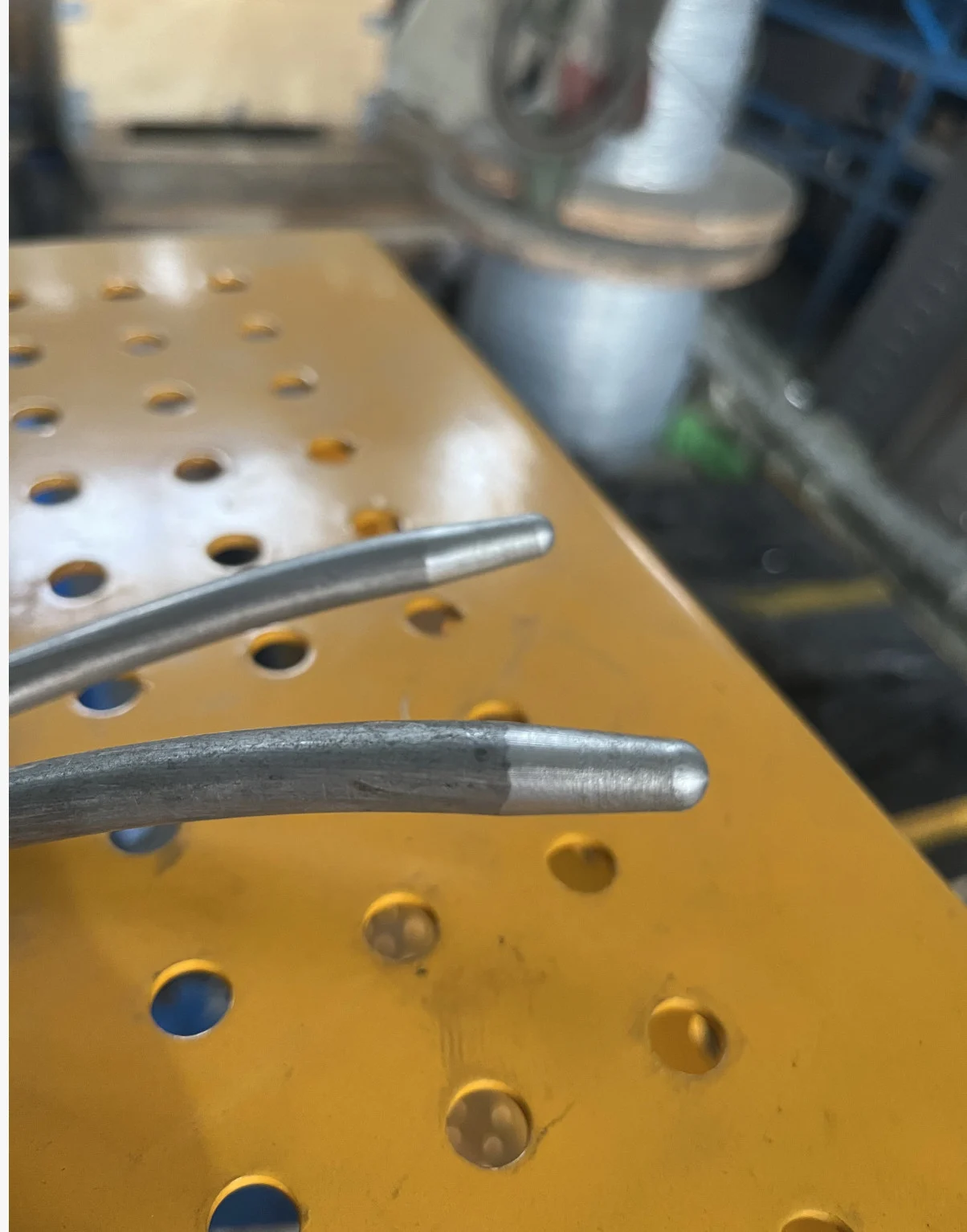
The rounded section is longer than a normal rounded tip. It has a smooth, elongated shape rather than a sharp cut edge.
This type of end processing can be required for certain preformed armor rod designs.
Different products have different end requirements. Some need a simple rounded end, while others require chamfering or a special end profile.
For us, the important thing is to understand the finished product before deciding how the end should be processed.
Working with 9.27 mm Aluminum Alloy Wire
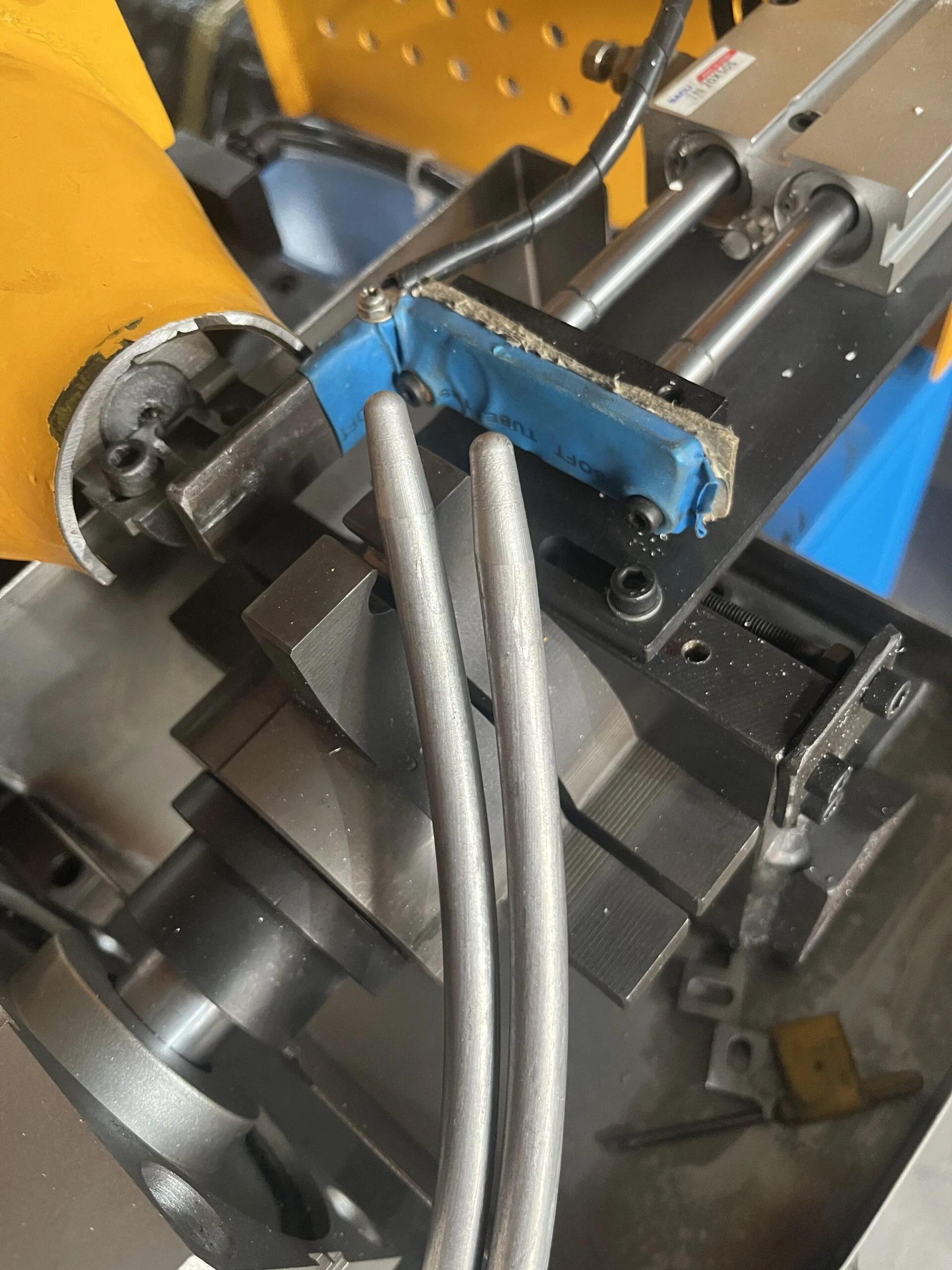
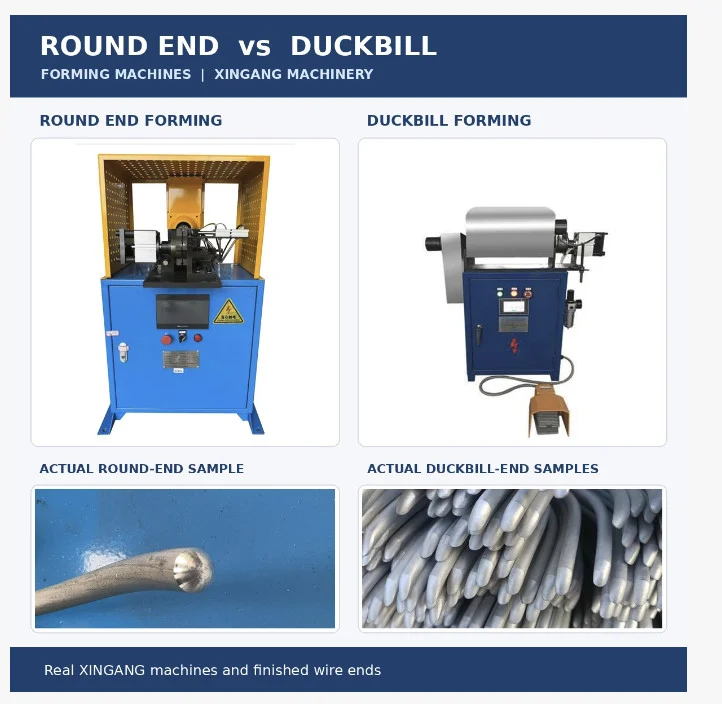
For this project, we used a round-end forming machine to process 9.27 mm aluminum alloy wire with a special 20 mm long rounded end.
You can also see our Automatic Round-End Forming Machine for more information about the equipment and its standard processing functions.
These are two different measurements.
The wire diameter tells us the size of the material being processed. The rounded-end length tells us how much of the wire end needs to be shaped.
A machine that can process 9.27 mm wire does not necessarily produce every end shape with the same tooling.
When the end design is different from the usual type, we need to check the product dimensions and the tooling arrangement.
Checking the 20 mm Rounded-End Length
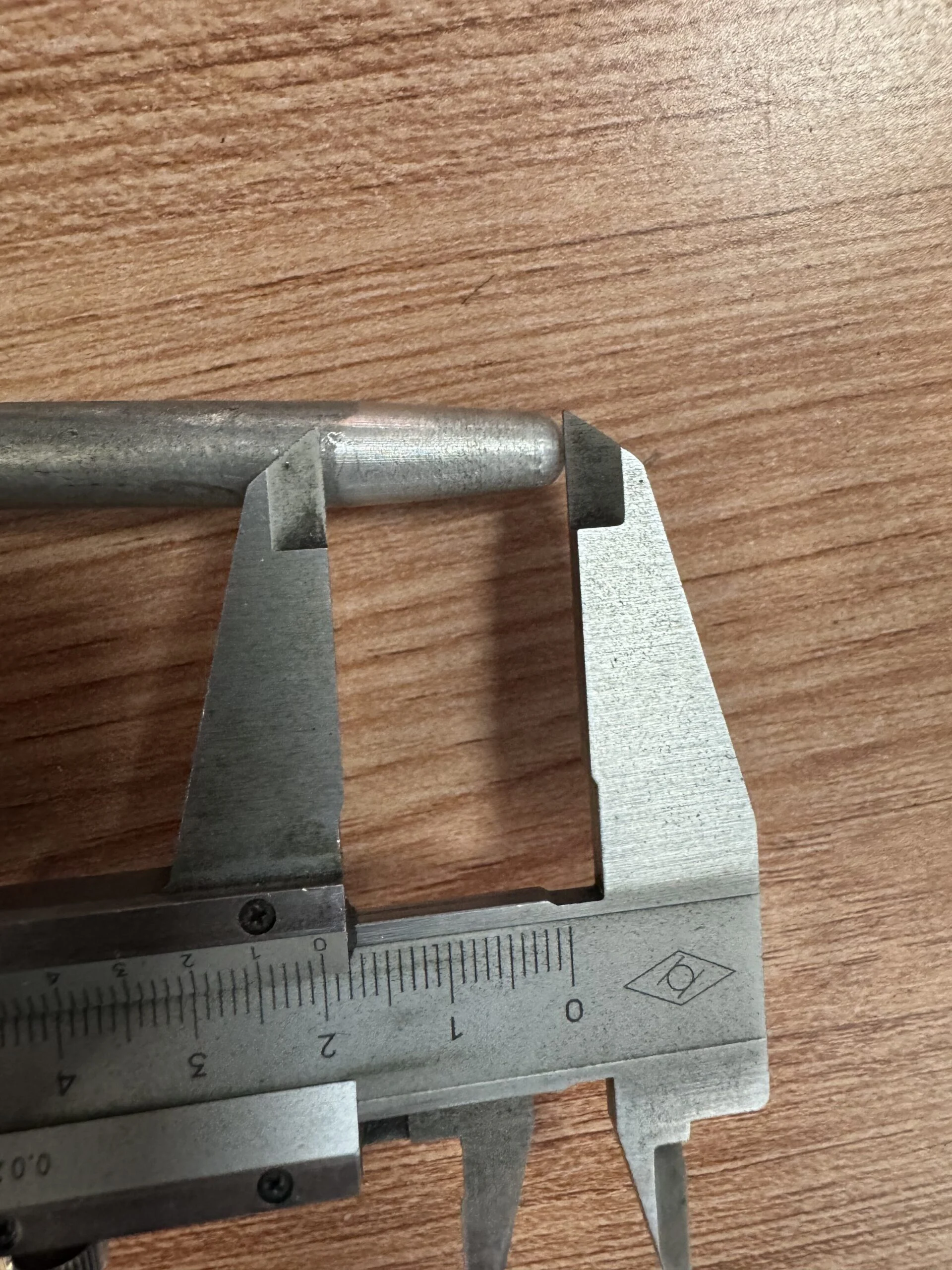
The specified end length was originally 25 mm and was later changed to 20 mm.
The caliper photo shows the length being measured along the wire, not the wire diameter.
This is why a drawing or a clear photo with dimensions is helpful when discussing a customized round-end forming machine.
If we only know the wire diameter, we still do not know exactly what end shape the customer needs.
Where Are Rounded Ends Used?
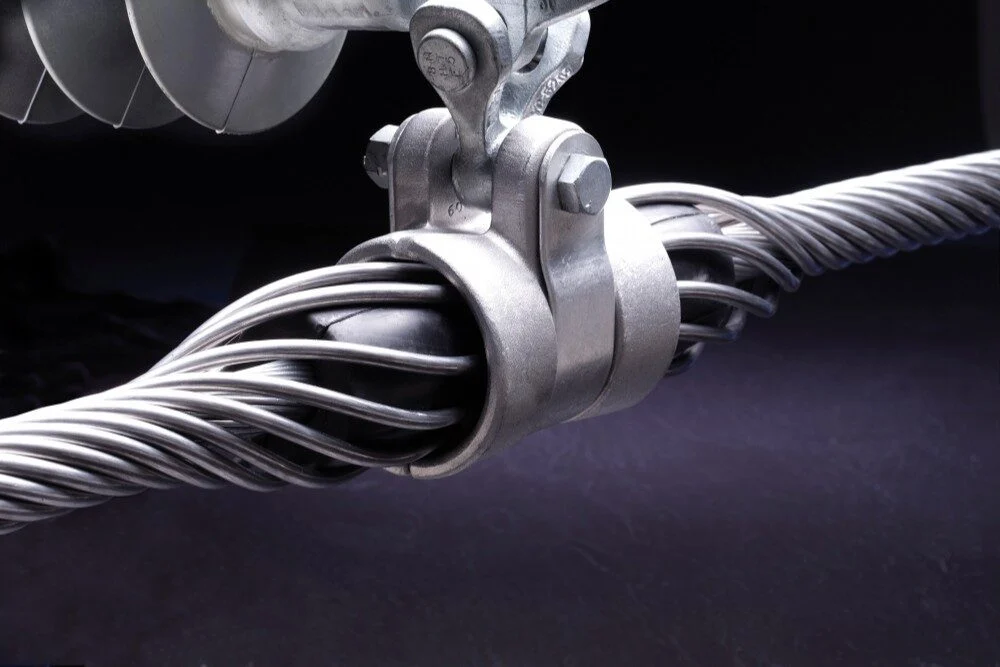
Rounded-end processing is used for certain preformed armor rods and other preformed line fittings.
Preformed armor rods are installed around overhead conductors in applications where additional conductor protection is required.
Round-end forming is only one part of producing preformed armor rods. If you want to understand the other production steps, we have explained them in our Preformed Armor Rods Manufacturing Process article.
A rounded end provides a smoother finish than an untreated cut end. The exact end shape depends on the finished fitting’s design and application.
At XINGANG, we manufacture machinery for different preformed wire processing operations, including round-end forming, chamfering, and special end forming.
For this particular application, the requirement was a 20 mm long rounded end on Ø9.27 mm aluminum alloy wire.
Need a Different End Shape?
If you need a round-end forming machine for a different wire diameter or end profile, please send us your material, wire diameter, end dimensions, and product drawing. We can review your requirements and discuss a suitable machine or tooling arrangement.